 11
11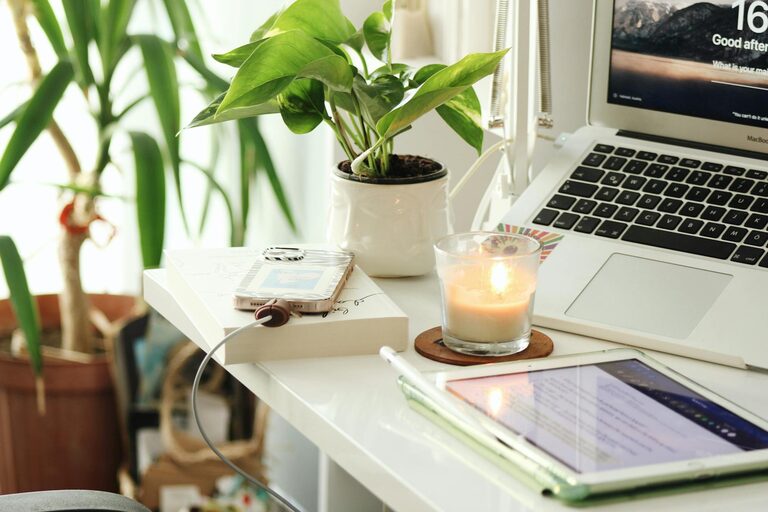
Creating a relaxing home workspace is essential for maintaining productivity and well-being, especially when working from home has become common for many. A cluttered or uncomfortable workspace can make it difficult to concentrate and increase stress levels. Fortunately, with a few thoughtful changes, you can transform your work area into a calm, inviting environment that supports focus and creativity.
In this post, we’ll explore practical tips on how to create a relaxing home workspace, from layout and lighting to décor and organisation.
The foundation of a relaxing workspace is its location within your home. Ideally, pick a spot that minimises distractions and offers some privacy. If you have a spare room, this can be perfect. Otherwise, try to find a corner or nook away from noisy areas like the kitchen or living room.
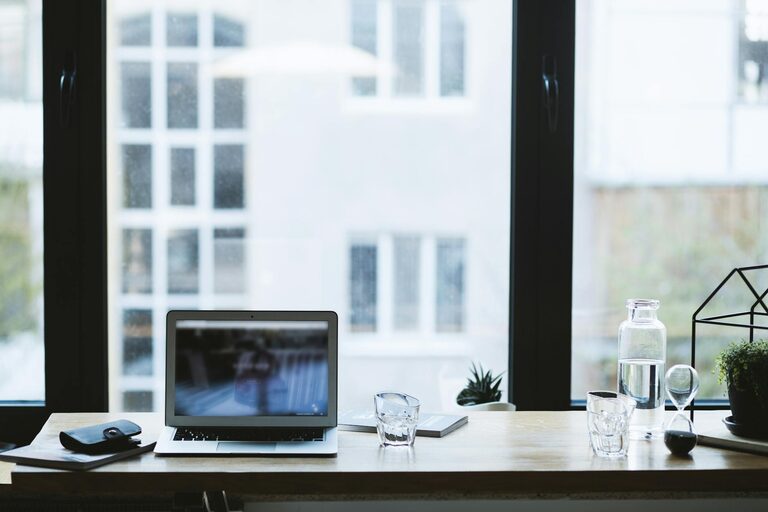
Position your desk near a window if possible. Natural light boosts mood and energy levels, reducing eye strain during long hours of work. However, avoid direct sunlight that could create glare on your screens. You might need adjustable blinds or curtains to control the light.
If you use a shared space, such as the dining table, try to create a visual boundary for your workspace. This makes it easier for your mind to switch between work and relaxation modes. Using a room divider, a rug under your desk, or simply arranging furniture thoughtfully can help.
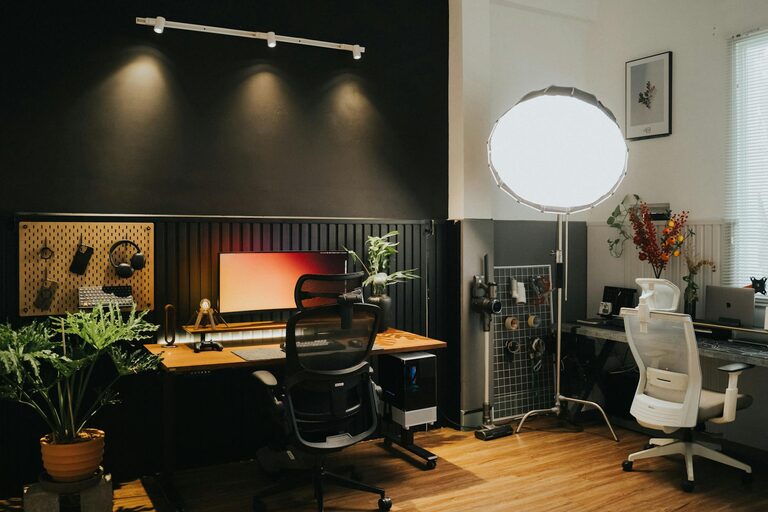
Comfort plays a big role in maintaining a relaxed work environment. Invest in a good-quality ergonomic chair that supports your back and allows for proper posture. Sitting comfortably reduces fatigue and discomfort, keeping you focused for longer.
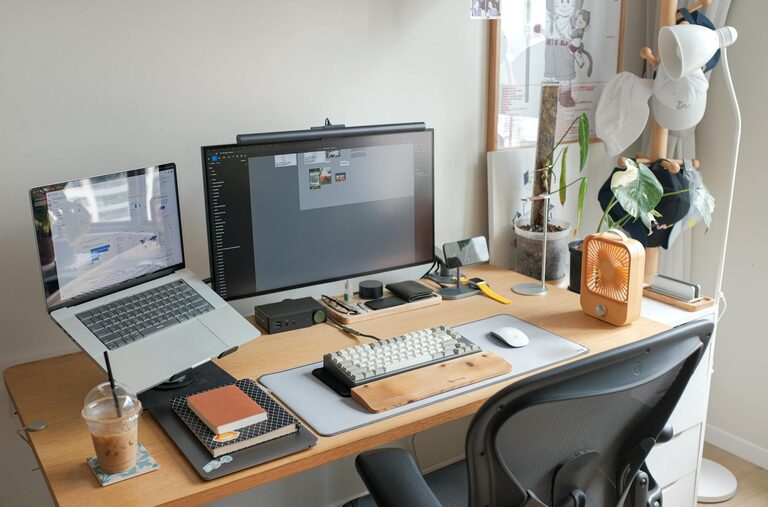
Your desk should be at the right height so your arms sit comfortably while typing, with enough space for essentials like a notebook, mouse, and keyboard. Adjustable desks that allow for sitting and standing can add variety and encourage movement.
A tidy workspace creates a peaceful atmosphere and helps reduce stress. Clutter can be distracting and overwhelming, so develop some organisation habits:
– Use storage boxes, drawers, or shelves to keep documents and office supplies out of sight.
– Keep only the immediate items you need on your desk.
– Regularly clear away unnecessary papers and objects.
– Use cable organisers to prevent wires from tangling.
Having an organised desk means less time wasted searching for items and a clearer mental space.
The colours in your workspace can influence your mood. Choose soft, calming shades such as light blues, greens, or neutrals. These colours tend to reduce anxiety and encourage concentration.
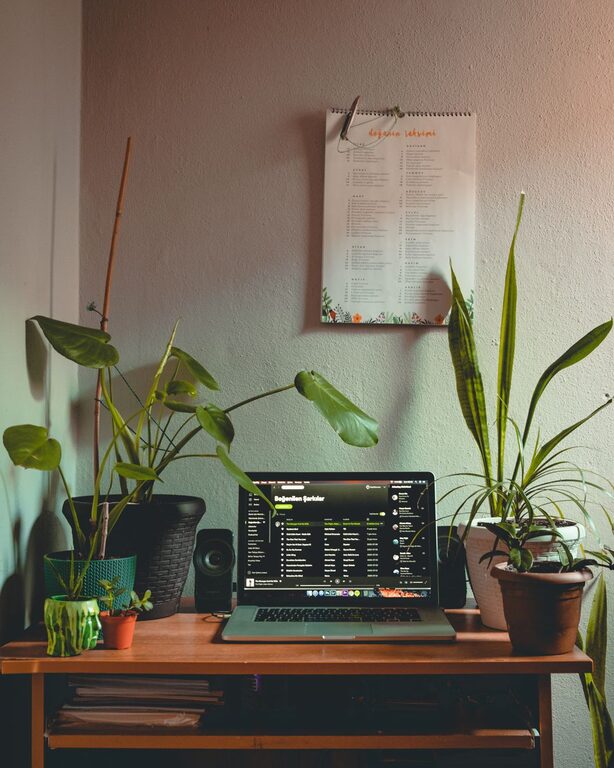
Adding personal items like framed photos, plants, or art can make your workspace feel welcoming and enjoyable. However, be cautious not to overcrowd your desk, as too many decorations can become distracting.
Plants are excellent additions to any workspace. They improve air quality, reduce fatigue, and create a connection with nature that positively impacts mental health.
Choose easy-to-care-for plants like succulents, snake plants, or pothos. Position them on your desk or nearby shelves where they’ll get indirect light.
Noise can disrupt focus and increase stress, so managing sound is important:
– Use noise-cancelling headphones or play gentle background music or white noise if complete silence is unsettling.
– Soft furnishings, such as rugs and curtains, help absorb sound.
– If possible, close doors to reduce external noise.
Fresh air helps keep your mind alert and prevents discomfort. Open windows regularly to allow ventilation, or use an air purifier if needed.
Temperature also affects comfort; ensure your workspace is neither too hot nor too cold. Use fans, heaters, or humidifiers to adjust conditions accordingly.
Sitting for long periods can cause stiffness and fatigue. Include stretches or movement breaks in your routine to stay refreshed.
If space allows, create a small area near your desk for quick stretching, standing, or even a comfortable chair for reading away from the screen.
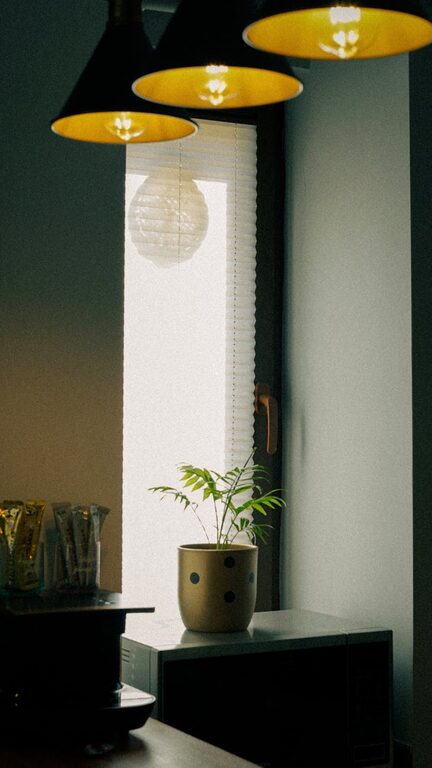
Aside from natural light, good artificial lighting is vital, especially during early mornings or evenings.
– Use soft, warm lighting instead of harsh fluorescent bulbs.
– A desk lamp with adjustable brightness and direction helps reduce eye strain.
– Avoid positioning your monitor facing bright light sources to prevent glare.
Even in a relaxing workspace, mental switching between work and personal time matters. Set clear start and finish times, and communicate these boundaries with others in your home if relevant.
Having a routine helps condition your mind to settle into work mode when you enter your workspace.
—
Creating a relaxing home workspace environment is about balancing comfort, organisation, and personal preference. By applying these tips, you can establish a space that nurtures focus and wellbeing, making your work-from-home experience more enjoyable and productive.
Remember, your workspace should be a place you look forward to spending time in. Small adjustments can yield significant benefits for your mood and efficiency. Start with one or two changes and gradually build your ideal work environment at home.