 11
11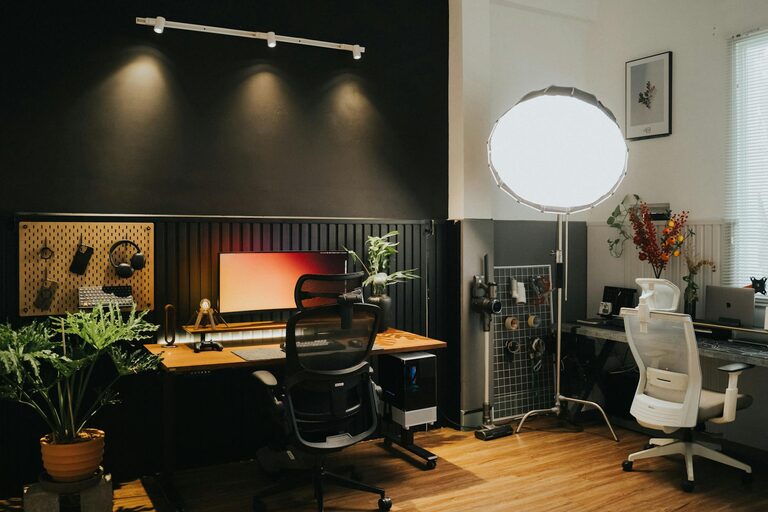
Creating a cosy and inviting home office space can make a huge difference to your workday. Whether you’re working from home full-time or just need a dedicated area for occasional tasks, a well-designed office helps improve focus, reduce stress, and even spark creativity. Here are some practical tips to help you design a workspace that feels comfortable, personalised, and welcoming.
The first step is selecting a quiet, well-ventilated spot with sufficient natural light if possible. Near a window is perfect as daylight can improve mood and reduce eye strain. Avoid spaces with lots of distractions, loud noises, or heavy foot traffic.
If you don’t have a whole room to spare, consider creating a defined zone within another area. Using a room divider, shelving unit, or even a rug can help mark your work area and mentally separate it from leisure spaces.
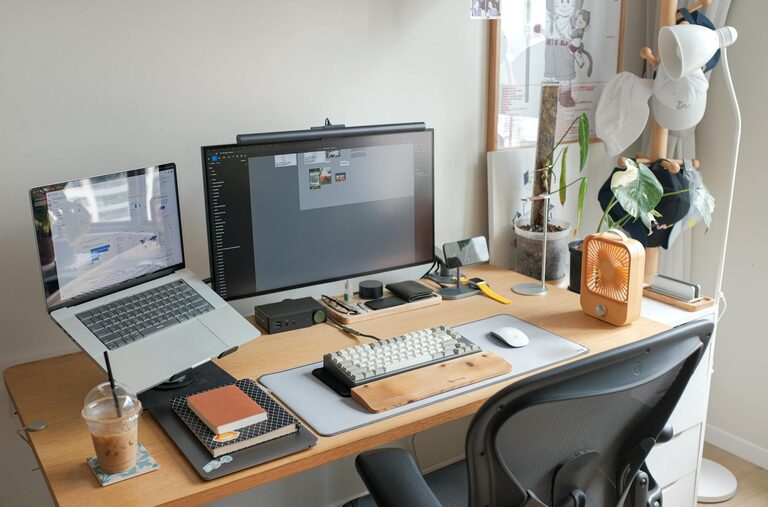
Comfort is key for any productive home office—especially if you spend many hours there. Choose an ergonomic chair that supports your back and encourages good posture. Adjustable chairs allow you to find the right height and angle to reduce strain.
Your desk should fit your needs and space. Look for a surface big enough for your computer, paperwork, and any other essentials. Sit-stand desks have grown in popularity and can be a great option to alternate postures and improve circulation.
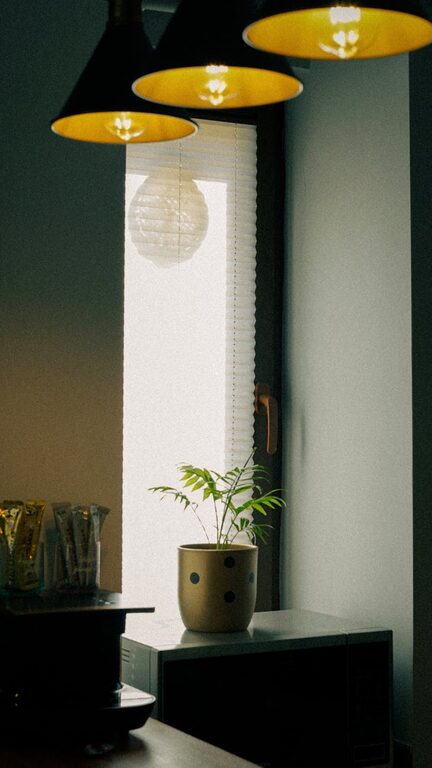
Good lighting can transform your workspace. A mix of natural and artificial light is ideal. Position your desk near a window for daylight, but remember to manage glare with blinds or curtains.
Desk lamps with adjustable brightness and colour temperature can help reduce eye strain during evening hours. Warm light tends to create a cosy ambience, while cooler light promotes alertness, so you might want a lamp with both settings.
Clutter can be distracting and stressful. Use storage solutions like shelves, filing cabinets, boxes, or drawer organisers to keep your essentials tidy.
Try to keep only daily-use items on your desk and store everything else neatly out of sight. Labelled storage helps quickly find what you need without fuss.
Your home office should feel inviting and reflect your personality. Adding a few decorative items—such as plants, artwork, or photos—can boost comfort and creativity.
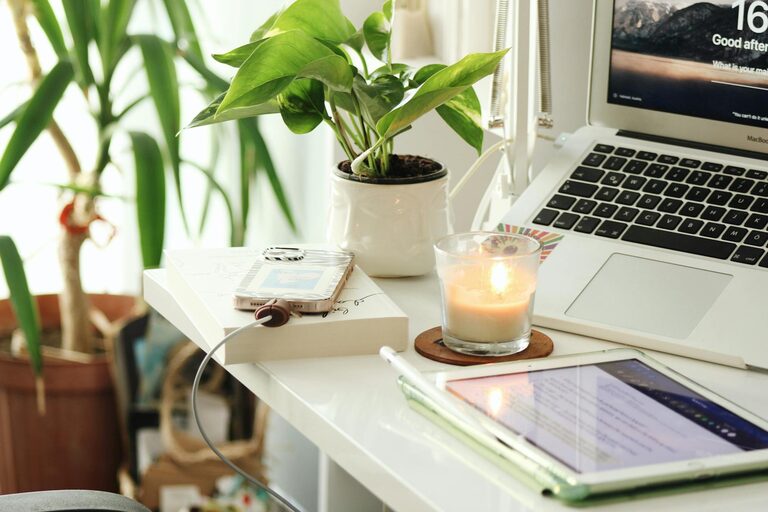
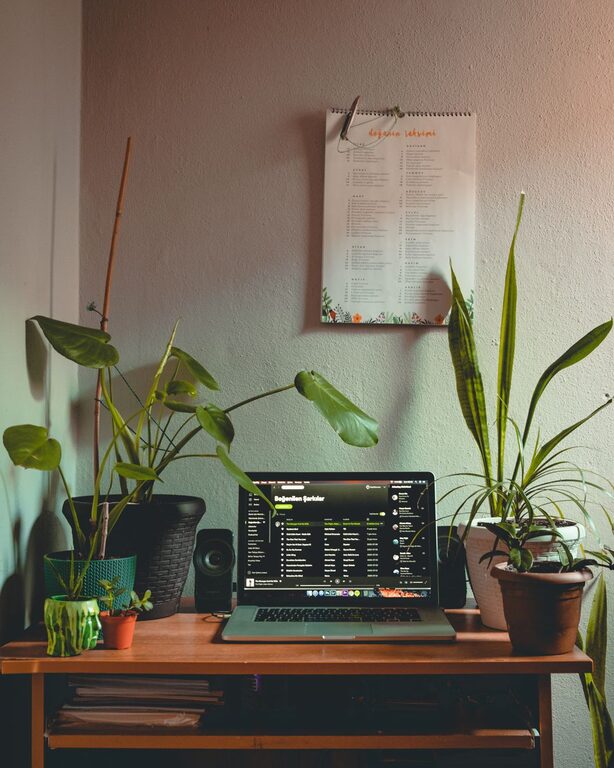
Indoor plants are particularly suited for offices. They improve air quality and add a refreshing splash of green. Choose easy-care plants like succulents or spider plants if you’re new to gardening.
Colour influences mood and productivity. Soft, neutral shades create a calm environment, while pops of colour can stimulate focus and creativity.
If you prefer a minimalist feel, keep walls and large furniture neutral, and add colour accents with cushions, rugs, or desk accessories. Experiment with blues or greens, which are often associated with concentration and calm.
Noise distractions reduce concentration. Consider using noise-cancelling headphones or playing gentle background music or white noise to block interruptions.
If you’re setting up in a noisy part of the home, adding soft furnishings like curtains, cushions, and rugs can help absorb sound.
A cosy workspace is not just about furniture and light. Include a comfortable chair or small seating area nearby where you can step away from your desk for a mental break.
Stretching or a few minutes away from the screen refreshes your mind and body. Don’t forget a water bottle or a mug for your favourite hot drink within easy reach to stay hydrated.
Having the right tech set-up is important but avoid overcrowding your space with gadgets and cables. Use wireless devices where possible and organise cables with clips or trays.
Position your monitor at eye level to prevent neck strain. Keep frequently used gadgets close but consider tidying away those you use only occasionally.
Fresh air helps concentration and comfort. Open windows regularly or consider a small air purifier if your room lacks ventilation.
Avoid placing your desk directly under or near heating vents to prevent dry air. A humidifier can help, especially in winter months when indoor air tends to be drier.
—
A cosy and inviting home office doesn’t have to be complicated or costly. By focusing on comfort, organisation, lighting, and personal touches, you can create a space that supports your work and wellbeing. Remember, your workspace should evolve as your needs change. Take time to adjust and personalise it until it feels just right.
A warm, functional office encourages productivity and makes working from home a more positive experience. Whether it’s a full room or a small corner, these tips will help you design a workspace that you look forward to using every day.