 11
11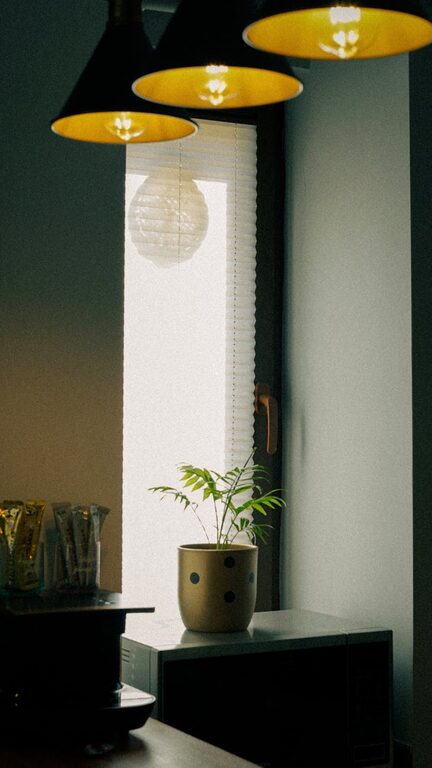
Creating a relaxing home environment doesn’t have to involve costly renovations or complicated projects. Often, small decor changes can have a significant impact on the atmosphere and mood of your living space. Whether you want to unwind after a busy day or create a calm haven for weekends, simple touches can promote peace and comfort throughout your home.
In this post, we’ll explore practical ideas and easy tweaks that anyone can implement to make their home feel more relaxing and inviting.
Your home should be a sanctuary where you feel safe, comfortable, and able to recharge. A chaotic or cluttered space can add to stress and affect your wellbeing. By intentionally designing your home environment to be relaxing, you not only improve your mood but also support better sleep, reduced anxiety, and increased happiness.
One of the simplest ways to cultivate calm is to clear away clutter. Excess items and disorganisation can create mental noise and tension.
– Sort belongings regularly: Keep only what you use and love.
– Use storage wisely: Baskets, boxes, and shelves help keep things tidy.
– Create dedicated spaces: Assign areas for specific activities, like reading or hobbies, to maintain order.
A neat and organised space naturally feels more peaceful.
Colour strongly influences how a room feels. Soft, muted, and natural colours tend to promote relaxation.
– Soft neutrals: Shades like warm beige, pale grey, or creamy white offer a calm backdrop.
– Pale blues and greens: These colours evoke nature and tranquility.
– Avoid harsh contrasts: Instead of bold patterns, opt for gentle textures and subtle tones.
You don’t have to repaint every wall. Even introducing cushions, throws, or curtains in calming shades can shift the mood.
Bringing a touch of nature indoors can reduce stress and increase wellbeing.
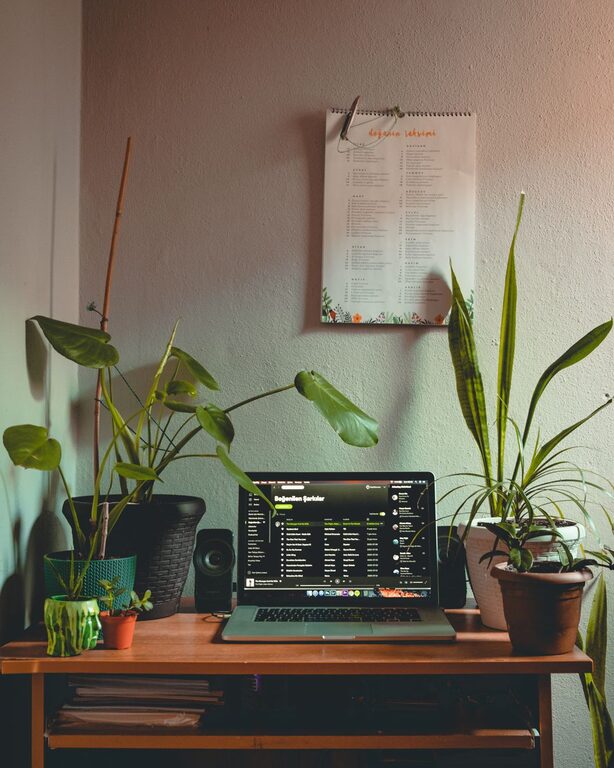
– Houseplants: Easy-care plants like snake plants, pothos, or peace lilies add greenery and improve air quality.
– Natural materials: Use wood, rattan, cotton, or linen in furniture and decor.
– Fresh flowers: A simple bouquet can brighten any room and boost your spirits.
If you don’t have a green thumb, artificial plants with realistic looks are an alternative.
Lighting plays a crucial role in atmosphere. Harsh overhead lights can feel clinical or tiring.
– Layer it up: Combine ambient, task, and accent lighting to create depth.
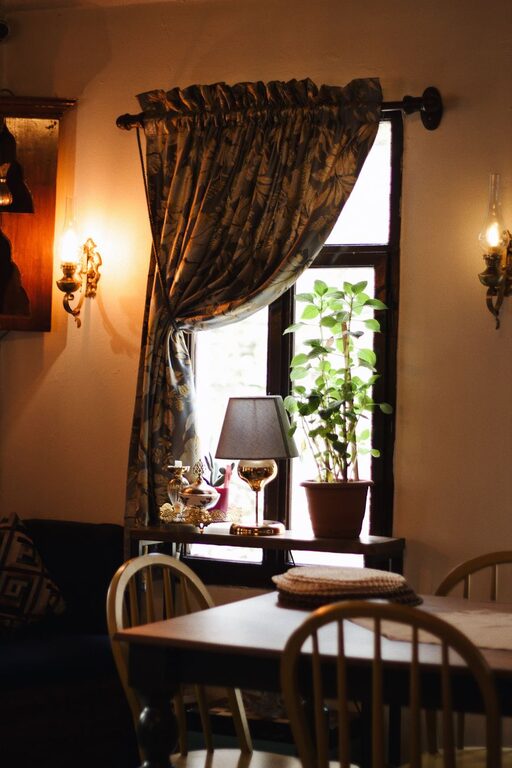
– Use lamps and fairy lights: Table lamps, floor lamps, and string lights provide softer glows.
– Dimmer switches: Adjust brightness based on mood and time of day.
– Natural light: Keep windows unobstructed to let daylight in and open curtains regularly.
This lighting approach helps create a warm, welcoming environment.
Textures invite touch and offer comfort.
– Plush cushions and throws: Add softness on sofas and beds.
– Rugs: A cosy rug underfoot can make a room feel homelier.
– Curtains and bedding: Choose natural, breathable fabrics in pleasant colours.
Changing textiles is a quick, affordable way to refresh a space.
Designate areas specifically for relaxation within your home.
– Reading nook: A comfy chair with good lighting and a small shelf.
– Meditation space: Minimal clutter, a cushion or mat, and perhaps candles or incense.
– Music corner: A spot with speakers or instruments where you can unwind with sounds.
Having dedicated spaces signals to your brain that it’s time to slow down.
Incorporate items that bring joy or calm.
– Photos: Family or nature images personalise your space.
– Artwork: Choose pieces that soothe rather than energise.
– Scented candles or essential oils: Aromas like lavender or chamomile aid relaxation.
Personal touches make your home feel truly yours.
A clean space is a relaxing space. Regular cleaning prevents a buildup of dust and mess, which can contribute to discomfort.
– Set a cleaning routine that fits your lifestyle.
– Keep surfaces clear to reduce visual clutter.
– Air your rooms daily for freshness.
You don’t need to transform your entire home at once to create a calming atmosphere. Start with one or two simple decor changes—perhaps a new cushion in a soft colour or a small plant—and notice how it makes your space feel. Over time, these small changes will combine to create a serene environment where you can rest, recharge, and enjoy your home to the fullest.