 11
11 Creating a home office that is both relaxing and productive can make a significant difference to your workday. As more people embrace remote work or flexible arrangements, having a space that encourages focus without stress is essential. Whether you have a dedicated room or a small corner in your home, it’s possible to cultivate an environment that enhances your wellbeing and efficiency. Below are helpful strategies to achieve just that.
Finding the best spot for your home office is the first step. Ideally, select a quiet area away from high-traffic parts of your home to minimise distractions.
– Look for natural light: Position your desk near a window if possible. Natural light has been shown to improve mood and reduce eye strain.
– Consider noise levels: If noise is unavoidable, invest in noise-cancelling headphones or soundproofing measures.
– Evaluate space needs: Ensure your chosen spot has enough room for your desk, chair, and storage without feeling cramped.
Comfort plays a vital role when working from home. Proper furniture supports your body and prevents discomfort during long hours at the desk.
– Chair: Choose an ergonomic chair with adjustable height, lumbar support, and breathable material.
– Desk: Select a desk that fits your workflow. Standing desks or adjustable options offer flexibility and can improve posture.
– Monitor height: Position your computer screen at eye level to reduce neck strain. Consider monitor stands or risers.
Good lighting reduces eye fatigue and creates a welcoming atmosphere in your home office.
– Combine natural and artificial light: Use daylight when available and supplement with a desk lamp.
– Avoid glare: Position screens and lighting to prevent reflections that can cause discomfort.
– Choose warm light bulbs: Soft white or warm lighting can make your space feel more relaxing.
An organised office can help clear your mind and improve focus.
– Declutter regularly: Remove unnecessary items and keep only what you need close at hand.
– Use storage solutions: Shelves, drawers, trays, and organisers keep your desk tidy.
– Cable management: Use clips, ties, or cable boxes to reduce tangled wires.
Adding personal touches can make your workspace more inviting and motivating.
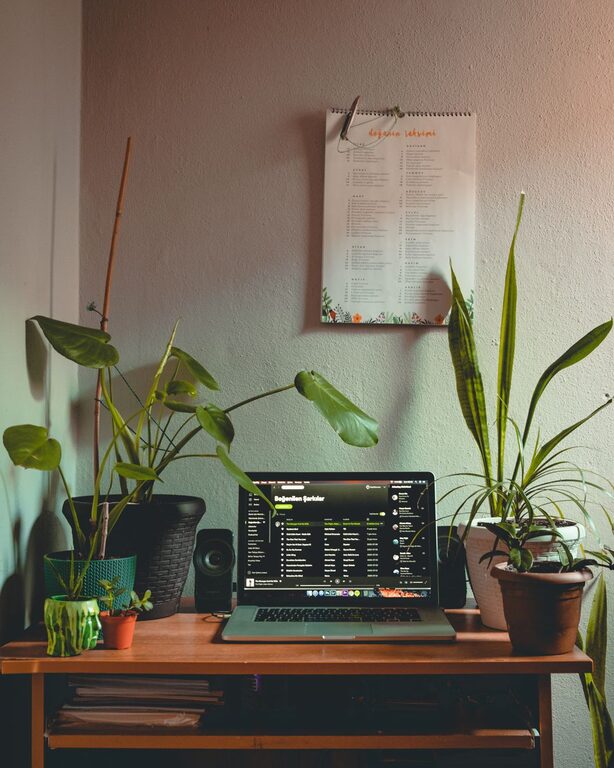
– Decorate mindfully: Include items like plants, artwork, or photos that bring you joy without overwhelming the space.
– Use calming colours: Soft blues, greens, or neutrals can reduce stress and create a peaceful mood.
– Scent and sound: Consider a subtle diffuser with calming scents or background music to enhance concentration.
Separating work from home life is important for mental wellbeing.
– Define business hours: Set specific times to start and finish work to prevent burnout.
– Dedicated space: If possible, keep your office separate from living areas.
– Communicate boundaries: Make sure others in your household understand your work schedule and space.
Taking regular breaks and moving can increase productivity and reduce tension.
– Schedule short breaks: Stand, stretch, or walk for a few minutes every hour.
– Use reminders: Apps or timers can prompt you to move or rest your eyes.
– Consider a standing desk or balance board for variety throughout the day.
The right tools can streamline your work but should not become a distraction.
– Choose reliable devices: A well-functioning computer, headset, and internet connection minimise frustration.
– Manage notifications: Turn off non-essential alerts to maintain focus.
– Use productivity apps: Tools for task management, time tracking, or note taking can help stay organised.
Fresh air and a pleasant atmosphere boost comfort and alertness.
– Open windows regularly to circulate air.
– Use air purifiers or humidifiers if necessary.
– Add indoor plants that improve air quality and create a connection to nature.
Your needs may change over time, so revisit your home office arrangement periodically.
– Reflect on what works and what doesn’t.
– Update furniture or technology as needed.
– Refresh your décor to keep the space inspiring.
—
Creating a home office that balances relaxation and productivity is a rewarding process. By paying attention to location, furniture, lighting, organisation, and personal preferences, you can craft a space that supports your work goals while nurturing wellbeing. Remember that small changes can have a big impact, so start experimenting with these tips today. Your ideal work environment is within reach!