 11
11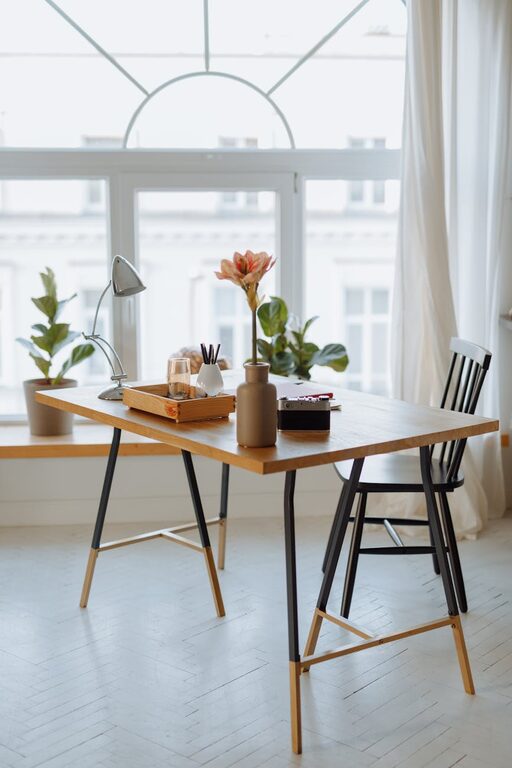
Creating a relaxing home office environment is essential for maintaining focus, reducing stress, and improving overall productivity. Whether you work remotely full-time or occasionally, your workspace should feel welcoming and comfortable. In this post, we’ll explore practical tips to help you design and maintain a home office that promotes relaxation and efficiency.
Working from home offers flexibility but can also blur the line between work and personal life. A cluttered, uncomfortable space can lead to distractions, fatigue, and diminished motivation. On the other hand, a thoughtfully arranged home office helps you stay organised, manage your time better, and keeps you calm throughout the day.
If possible, select a quiet part of your home away from high-traffic areas. This reduces distractions and noise, helping you focus better on your tasks.
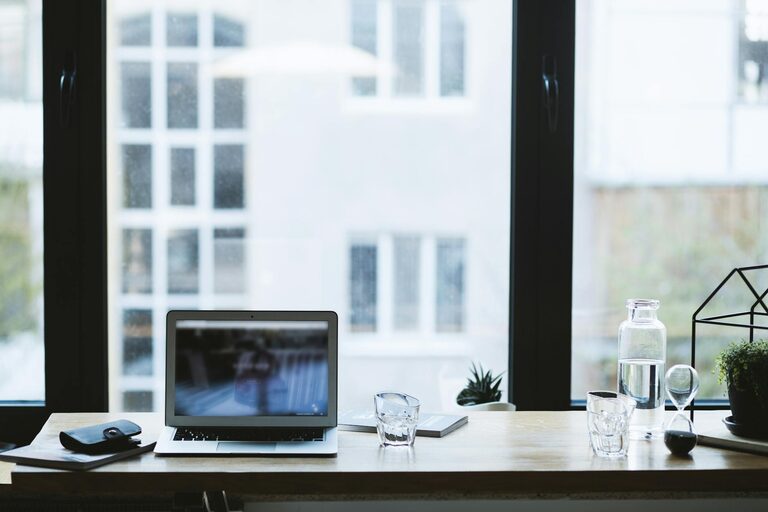
Try to position your desk near a window to take advantage of natural daylight. Sunlight can boost mood and energy, making your workday more enjoyable.
Ensure that your workspace offers enough privacy, especially if you share your home with others. This might mean using room dividers, curtains, or a dedicated room.
An ergonomic chair that supports your back and encourages good posture is essential. This helps prevent back pain and discomfort during long work hours.
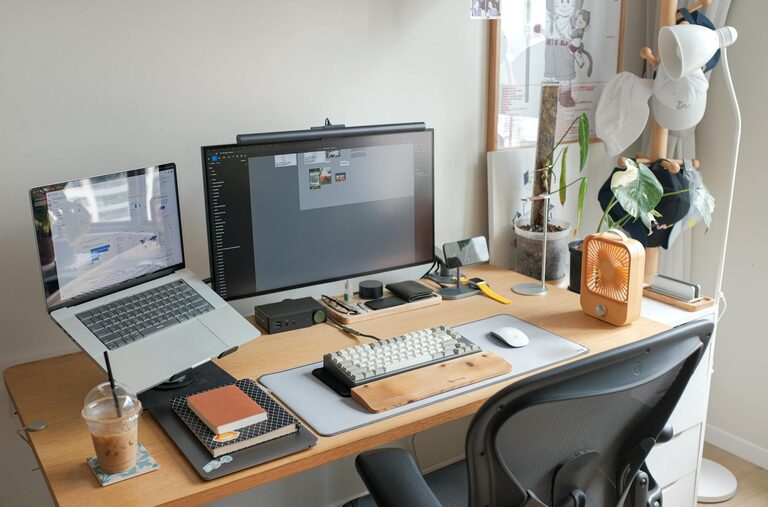
Your desk should be at a comfortable height so that your arms rest naturally when typing. Monitor screens should be at eye level to avoid neck strain.
Tidy cables and workspace clutter reduce stress and accidents. Use cable organisers and storage solutions to keep your desk neat.
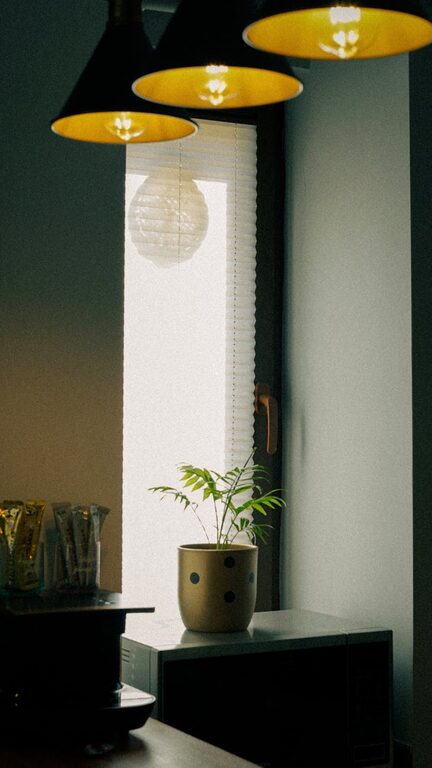
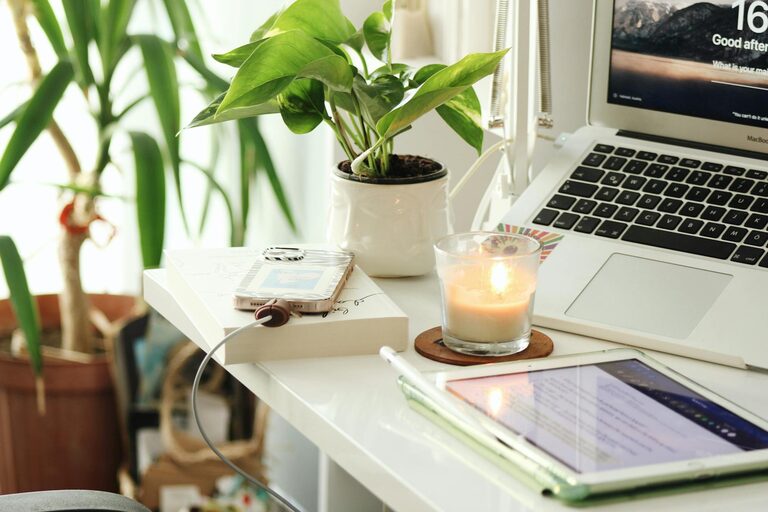
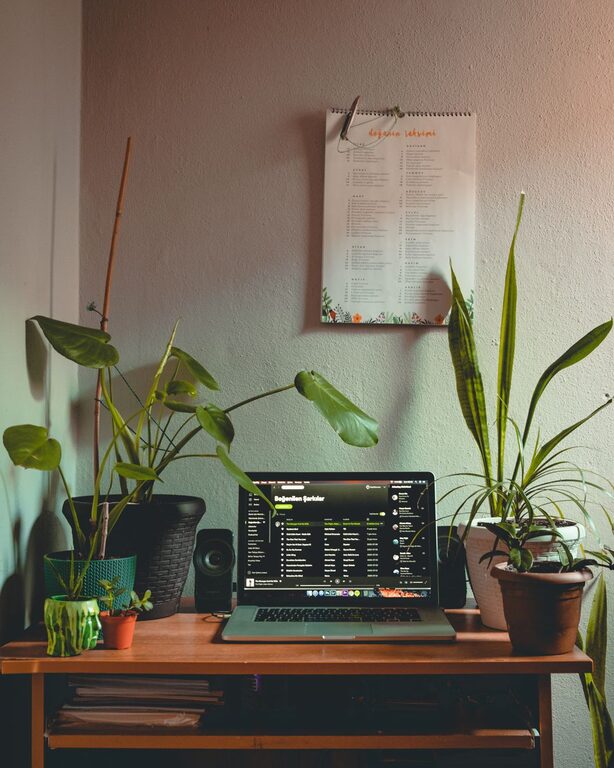
Indoor plants not only brighten your office but can also improve air quality and reduce anxiety. Choose low-maintenance plants like succulents or spider plants.
Soft, neutral colours like pale blues, greens, or creams create a calming atmosphere. Avoid overly bright or distracting colours in your workspace.
Include a few personal touches such as photos, artwork, or motivational quotes to keep you inspired, but avoid overcrowding the space.
Combine natural light with ambient and task lighting to avoid eye strain. A desk lamp with adjustable brightness helps focus on detailed work.
Position your computer monitor to reduce reflections from windows and lights. This will make working on screens easier and more comfortable.
A cluttered desk can cause mental fatigue. Set aside a few minutes at the end of each day to tidy and organise your workspace.
Use shelves, drawers, or boxes to store supplies, documents, and gadgets. Label items when possible to find things quickly.
Keep your digital files and emails organised to reduce stress. Use folders, regular backups, and avoid unnecessary digital clutter.
Use rugs, curtains, or acoustic panels to absorb excess noise. These can make a big difference if your office is near noisy areas or appliances.
Some people find soft background music or white noise apps helpful for concentration. Experiment to see what works best for you.
Sitting for long periods isn’t good for your health or focus. Stand, stretch, or take short walks regularly to refresh your mind and body.
If possible, have a separate area close by where you can relax during breaks. Stepping away from your desk helps maintain clear boundaries between work and rest.
– Air quality: Keep your office well ventilated to maintain fresh air.
– Temperature control: Ensure the room is neither too hot nor too cold.
– Minimal distractions: Keep your phone on silent or in another room if it interrupts your workflow.
– Hydration: Keep water nearby to stay hydrated throughout the day.
—
Designing a relaxing home office doesn’t require expensive purchases or major renovations. By paying attention to comfort, organisation, lighting, and personal touches, you can create a space that supports your wellbeing and productivity. Experiment with these tips and adjust them to fit your needs and preferences. Enjoy working in your new calm and inspiring environment!